For an active trip, the schedule of covered activities matters more than every headline limit combined. A generous medical limit is worthless if the activity that injured you is excluded.
How activity schedules work
Policies list covered activities, frequently in tiers — a basic list included, and higher tiers available as paid add-ons.
An activity not on the list is generally not covered.
The definitions matter and differ between insurers. What one classes as hiking another classes as mountaineering; what one covers as recreational diving another caps by depth.
Read the actual list rather than assuming a category.
The altitude limit
The one that catches trekkers.
Policies typically state a maximum altitude for covered trekking, commonly between 2,000 and 6,000 metres depending on tier.
Check it against the actual route:
| Route | Highest point |
|---|---|
| Everest Base Camp / Kala Patthar | ~5,550 m |
| Kilimanjaro | 5,895 m |
| Annapurna Circuit / Thorong La | ~5,416 m |
| Inca Trail / Dead Woman's Pass | ~4,215 m |
| Tour du Mont Blanc | ~2,665 m |
A policy capping at 3,000 metres covers none of the first four.
Diving
Cover is usually capped by depth and conditional on holding the relevant qualification and diving within its limits.
Solo diving, cave and wreck penetration, and technical diving are separate categories.
Note also the no-flying period after diving, typically 18–24 hours, which is a medical rule rather than an insurance one and can create a claim if ignored.
Motorcycles and scooters
The exclusion travellers encounter most often.
Cover requires the correct licence category, usually including a motorcycle entitlement on an international driving permit, and frequently a helmet.
Riding without the right licence voids cover entirely.
Given that scooter accidents are the most common cause of serious injury to travellers in Southeast Asia and southern Europe, this single clause is the most consequential in most policies.
Rental shops hire to anyone. They are not the ones carrying the risk.
Skiing
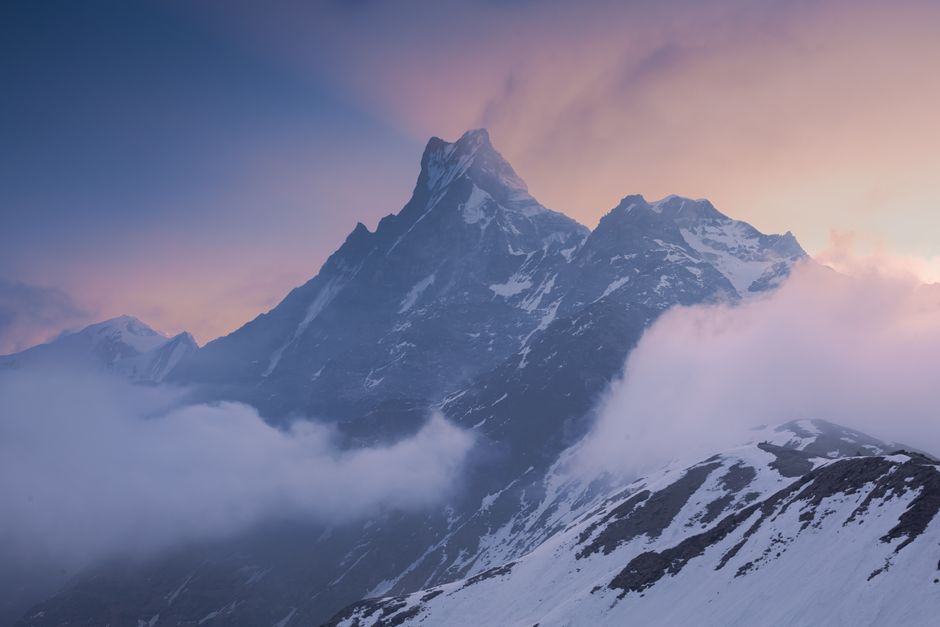
Winter sports cover is usually an add-on.
Off-piste is commonly excluded within it, or covered only with a qualified guide.
Backcountry and ski touring are a further category, frequently requiring avalanche equipment and training.
The four things that void cover
1. Riding without the correct licence.
2. Exceeding a stated altitude or depth.
3. Going off-piste where excluded.
4. Being intoxicated at the time of an incident, which underlies a large share of holiday accidents.
All four are in the wording. All four are routinely overlooked.
What to do at purchase
Write down every activity you might do, including the ones you have not committed to — the scooter, the day's diving, the via ferrata.
Check each against the schedule and the tier.
Buy the tier that covers all of them, or accept explicitly that one is uninsured.
The cost difference between tiers is small next to an evacuation.